Colorado’s disruptive front needs more help from the scoreboard
Santana Hopper’s work kept Texas Tech uncomfortable. Against Utah, defensive disruption must buy more than temporary survival.
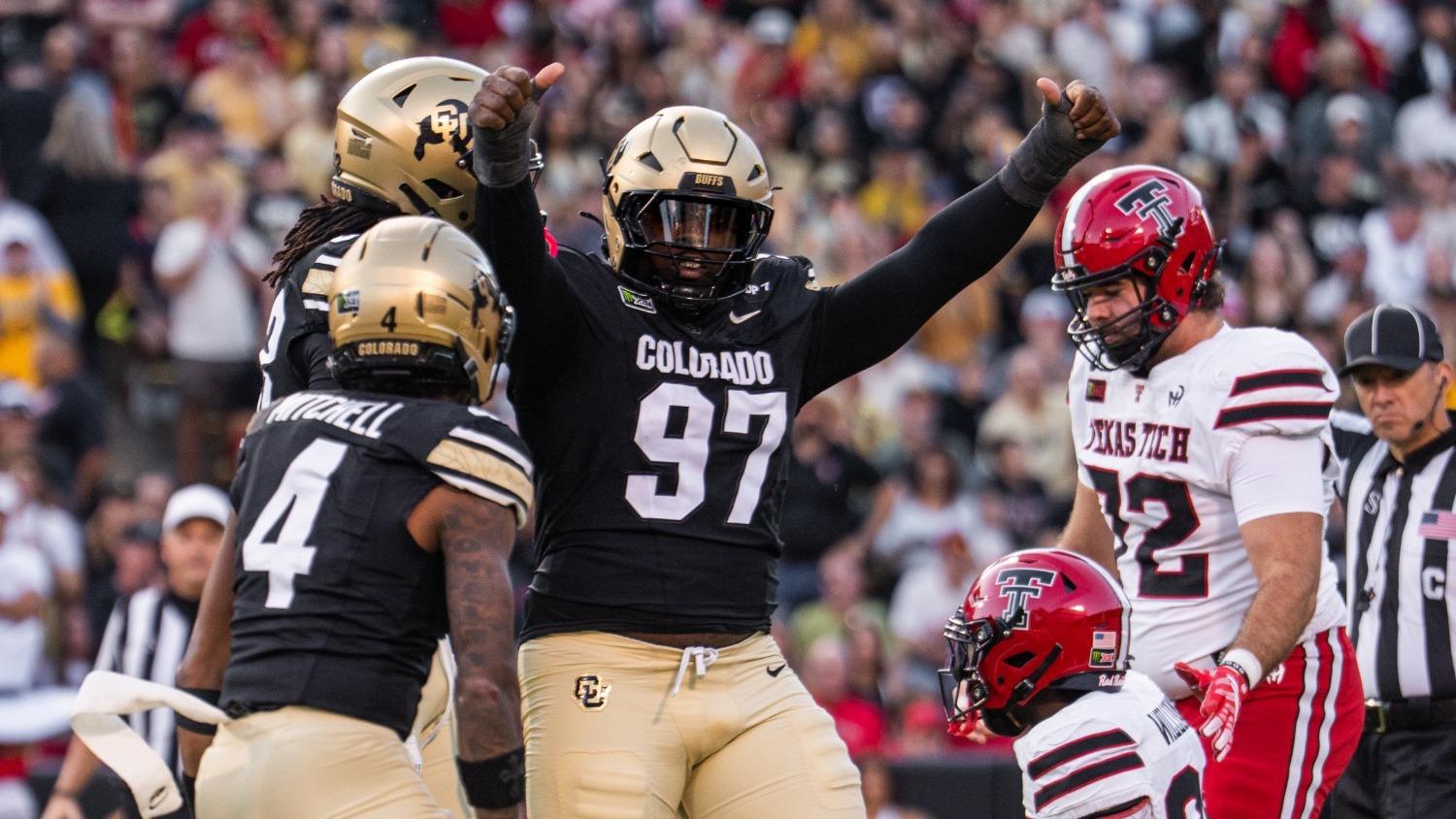
Colorado returns to action against Utah after its October 10 open date. Its last game was a 29–7 loss to Texas Tech on October 3. In an October 8 report, Colorado Athletics credited defensive lineman Santana Hopper with 10 tackles, 5.5 tackles for loss and five quarterback hurries. The report notes that Colorado held Texas Tech to 12 points through three quarters.
The Buffaloes’ official football page confirms the result and lists Utah as the next opponent. The defensive performance gave Colorado a competitive stretch inside a game whose final score widened considerably. That is a useful starting point for examining how the two units support one another.
Pressure has a shelf life
Our view is that defensive disruption becomes much more valuable when the offense acts on the time it creates. A tackle for loss can force a punt, but the benefit shrinks if the next offensive series immediately returns the ball. The defense then has to recreate the same advantage without gaining rest or a more favorable score.
Hopper’s performance supplies a specific reason to keep looking for improvement. A player who can interrupt an opponent’s blocking and passing rhythm gives the defense an opportunity to escape a series. Colorado should aim to preserve that opportunity through disciplined coverage and secure tackling behind the front. If the offense can then make even a modest number of additional first downs, a disruptive afternoon has a better chance of becoming a sustained defensive performance.
Give the next defensive stop somewhere to go
Against Utah, Colorado’s offensive evaluation should begin with the series following a stop. The question is whether the Buffaloes can turn regained possession into field-position progress without needing an immediate spectacular play. A controlled completion or a successful run can change the circumstances of the next defensive series even when the drive ends short of a touchdown.
That standard is demanding in a practical way. It asks the offense to make its teammate’s work useful, rather than judging the defense only by the final total allowed. We would track repeated short offensive possessions and the point at which defensive pressure becomes harder to sustain. Hopper cannot be expected to reproduce a rare stat line every week. The Buffaloes’ better route forward is to make ordinary defensive wins sufficient to keep them in the game, then supply the points that were missing against Texas Tech.
Sources & reporting
- Colorado Athletics: Hopper’s Texas Tech performance, October 8 ↗
- Colorado Athletics: latest results and Utah fixture ↗
This article adds independent analysis to publicly available reporting. We did not conduct the interviews or report the game firsthand. Report a factual error.