An opening is not an outcome
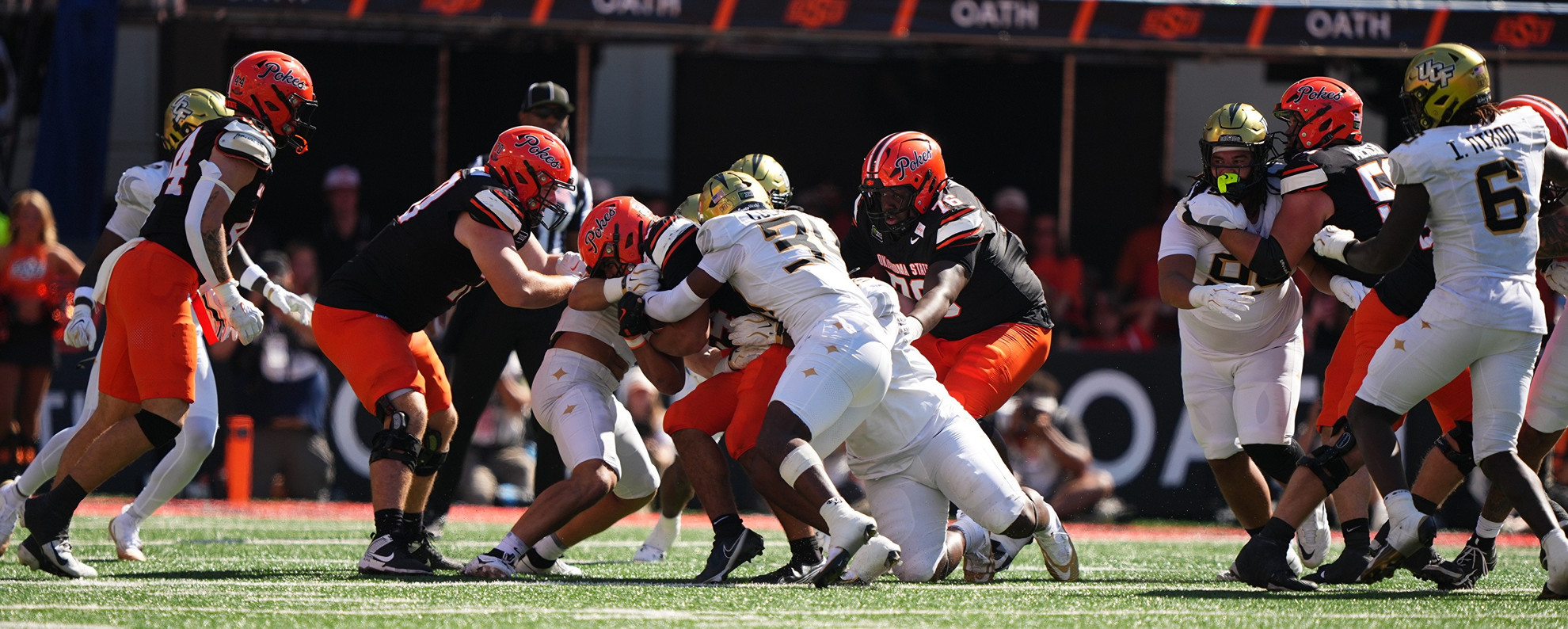
UCF’s 42–28 loss at Oklahoma State on October 10 left the Knights 3–3 overall and 1–2 in the Big 12. The teams were tied 21–21 at halftime. UCF scored an opening-drive touchdown for the fourth consecutive game and the fifth time in six games. Tyren Hornes supplied his first collegiate touchdown on a three-yard reception before the break.
The game changed after halftime. A missed field goal denied UCF a tying opportunity in the third quarter. In the fourth, Oklahoma State returned a backward-pass fumble for a touchdown and added a two-point conversion, turning a 27–21 lead into 35–21. UCF has an October 17 open date before hosting BYU on October 24.
Where preparation must travel
Repeated opening-drive success is meaningful. It suggests UCF can present an opponent with a coherent initial plan and execute it. The distinction worth examining during the bye is how well that plan travels beyond its rehearsed beginning. Defenses change their responses, field position becomes uneven, and situations demand calls chosen for the score and clock rather than the clean conditions of a first possession.
That does not mean the Knights should scrap what is working. It means the coaching staff should identify which opening concepts retain useful answers later. A successful early formation can become a dependable third-quarter tool if the quarterback knows its adjustment and the receivers understand how the coverage changes their routes. The goal is a menu that expands responsibly, not a growing collection of disconnected plays.
Protecting the possession itself
The backward-pass turnover deserves particular attention because its consequences differ from an ordinary incompletion. Until the ball is secured or the whistle ends the play, a backward throw remains live. Ball location, receiver readiness, and immediate recovery awareness are parts of the call, not cleanup details after the offensive design has finished.
UCF’s open week should make those distinctions visible in the BYU game. A useful response would combine another credible start with fewer possessions surrendered by preventable execution errors. The Knights do not need to demonstrate that they can score before an opponent settles in; they have established that. They need to show that their offense can preserve its options when a game moves away from the opening script and the margin for an avoidable mistake narrows.
Sources & reporting
This article adds independent analysis to publicly available reporting. We did not conduct the interviews or report the game firsthand. Report a factual error.