Thirteen points were not control forever
Utah outgained Colorado 248–70 in the first half and held the ball for 22:03 to the Buffaloes’ 7:57. The Utes led only 13–0. Seventeen straight Colorado points in the third quarter exposed the difference between controlling a half and putting away a game.
Utah won 27–24 on October 17, improving to 6–0 overall and 3–0 in the Big 12. The result required a second response after the first response had appeared sufficient. The first-half statistics remained true; they simply stopped describing who was dictating the next possession.
Pegan supplied the way back
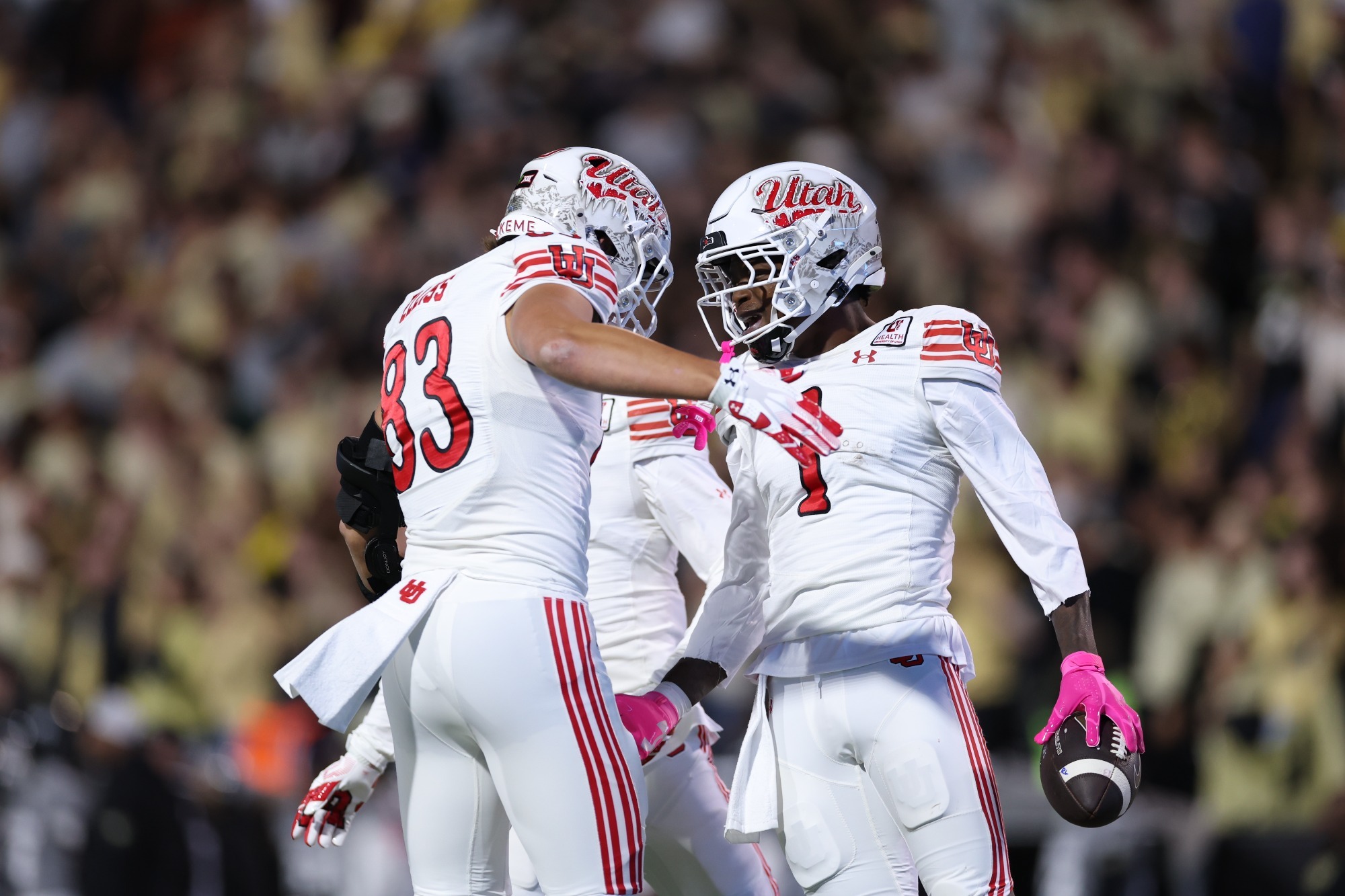
A 75-yard touchdown drive ending with Braden Pegan restored Utah’s lead at 20–17. An interception by James Chenault Jr. then set up the Utes’ final touchdown. Those two possessions changed the game without requiring Utah to recreate its opening-half dominance.
Devon Dampier completed 24 of 40 passes for 278 yards and three touchdowns. Pegan caught eight for 86 yards and two scores, while Creed Whittemore’s three receptions produced a career-high 88 yards and included two third-down conversions. Different receivers supplied different forms of progress: a conversion to preserve the drive, a larger gain to change the field, and a finish to change the lead.
The final totals explain the warning
Utah finished only fifteen yards ahead, 409–394, despite its substantial halftime advantage. Wayshawn Parker’s 96 rushing yards on 22 carries helped sustain an offense that held the ball for 37 minutes overall. Neither possession time nor the opening lead removed the need for late execution.
The useful lesson before Houston visits is not simply to start faster. Utah had already started well. It is to recognize when the opponent has changed the terms of the game and produce the next workable drive without treating the earlier advantage as protection. Pegan’s scoring contribution and Chenault’s takeaway did exactly that. The Utes remained unbeaten because they answered the afternoon they were actually playing, not the one their halftime numbers seemed to promise.
Sources & reporting
This article adds independent analysis to publicly available reporting. We did not conduct the interviews or report the game firsthand. Report a factual error.