Big totals, bigger interruptions
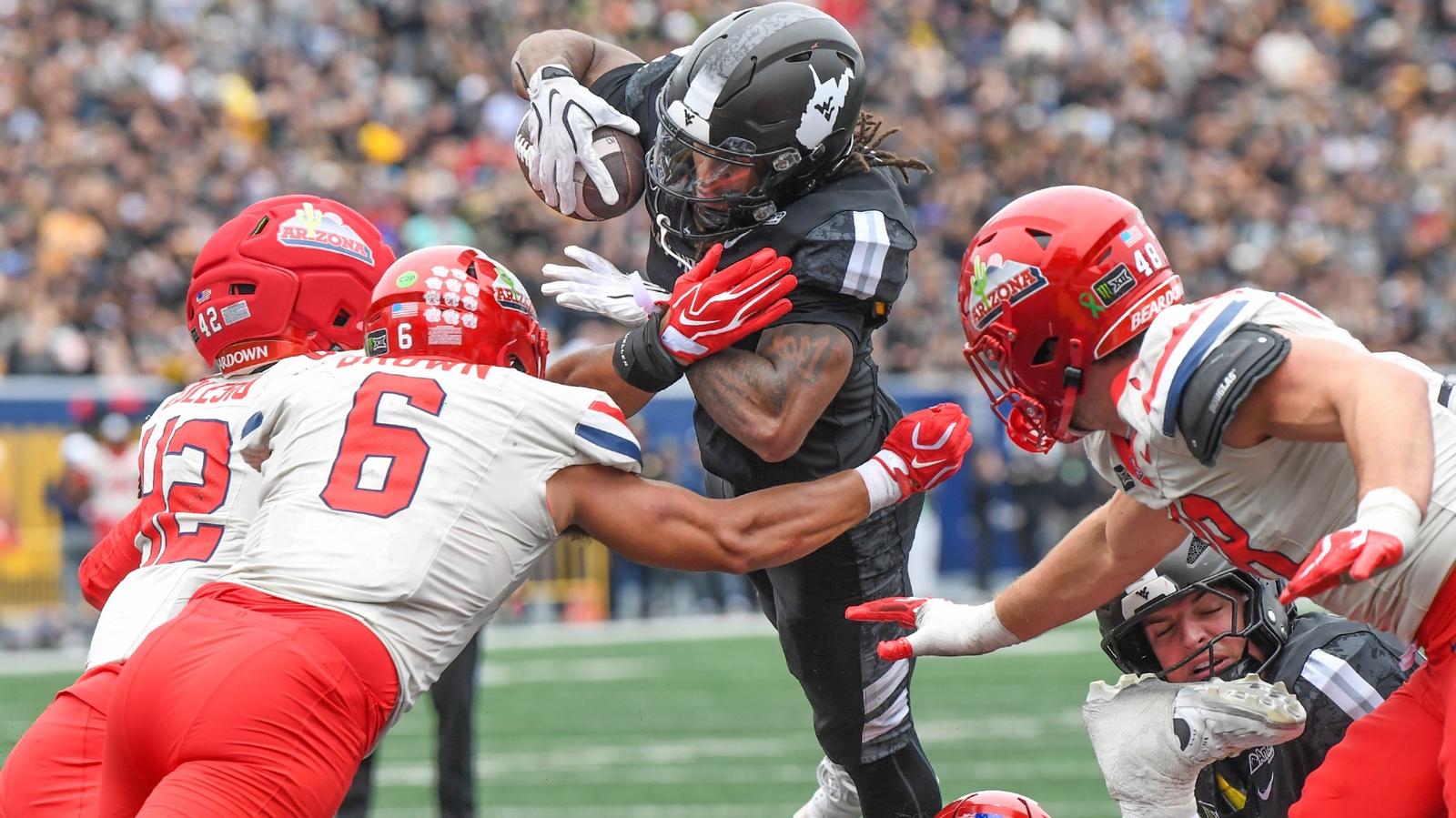
West Virginia lost 52–31 to Arizona in Morgantown on October 10, leaving the Mountaineers 3–3 overall and 0–3 in the Big 12. West Virginia produced 522 total yards, including 303 rushing yards. Cam Cook carried 34 times for 141 yards. Two first-half fumbles helped undo the offensive output.
Arizona gained 482 yards and produced eight plays of at least 20 yards, six after halftime. The disparity between the teams’ yardage totals did not translate into scoreboard protection for West Virginia. Cincinnati visits on October 17 for a noon kickoff, giving the Mountaineers another home opportunity to turn meaningful movement into a more stable game.
Count the possessions that survive
Yardage is useful evidence of an offense’s ability to advance the ball. It does not establish that a team is dictating the game. A possession that travels before ending in a giveaway has supplied activity without preserving its scoring opportunity. When the opponent also gains ground in large chunks, the home offense may be working hard simply to remain within reach.
West Virginia’s rushing total should therefore be evaluated alongside the interruptions. The aim is not to make a productive run game timid. It is to ensure that physical, sustained work keeps producing a return. Ball security, clean exchanges, and an appropriate response when a lane closes are integral to that return. The offense cannot assume that another long drive will always be available to repair the previous one.
Explosive defense is an offensive concern
Arizona’s six second-half explosive plays also matter to the Mountaineers’ offensive planning. When an opponent can erase substantial field position on one snap, a clock-consuming drive does not necessarily give the defense the kind of scoreboard cushion its duration suggests. The two units are solving different problems, and success in one category cannot be used to dismiss the other.
Against Cincinnati, the useful standard is a more connected performance: retain the football through productive possessions and make the visiting offense earn its progress in smaller pieces. The recap does not identify one universal cause for every explosive play, so prescribing a single coverage fix would overstate the evidence. The clear requirement is reducing the damage. West Virginia has shown it can accumulate yards. It now needs those yards to remain attached to points and a defense that keeps those points relevant.
Sources & reporting
This article adds independent analysis to publicly available reporting. We did not conduct the interviews or report the game firsthand. Report a factual error.