The fresh evidence
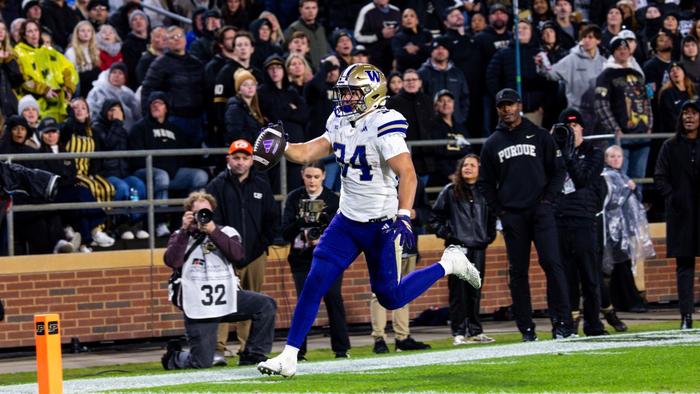
Washington entered its open week after a 38-26 win at Purdue, capped by Trey Cooley’s 53-yard touchdown run with 10:30 left in the fourth quarter. The Huskies next visit Nebraska on October 31.
The long run was the visible payoff, yet its strategic value was the timing. Purdue had to respect Washington’s passing game and the score still required a defensive commitment, leaving a crease that Cooley turned into separation.
What it changes
A bye can tempt a staff to add answers for every Nebraska look. Washington’s better use is to sharpen the concepts that create conflict: make a linebacker step toward a receiver, make a safety widen with motion and let the back attack the space those decisions leave.
The Huskies should rehearse the same run from several presentations, including one with the quarterback under center and one from the shotgun. That variety changes the defense’s picture without changing the offensive line’s essential rules.
For Washington, that distinction turns a reported development into a football decision. The Huskies have time to expand the offense, but the 53-yard closing touchdown shows what must remain simple. The coaching value comes from deciding where the new leverage belongs: which player can simplify his assignment, which defender must now receive help and which down can be called more aggressively. A sound plan does not merely celebrate the strength described above. It uses that strength to make the next assignment clearer for the other ten players, then preserves an answer when the opponent adjusts.
The Saturday test
Too much installation can blunt the timing that made the Purdue finish possible. New plays that require uncertain communication are less useful than familiar plays that force a defender to be wrong. Washington must leave the bye faster, not merely larger.
Against Nebraska, the first explosive run will attract attention, but the earlier four- and five-yard gains will be the real evidence. If Washington keeps the offense ahead of schedule, the 53-yard play was a product of structure rather than a fortunate exception.
Sources & reporting
This article adds independent analysis to publicly available reporting. We did not conduct the interviews or report the game firsthand. Report a factual error.