The completion count hid the distance still needed
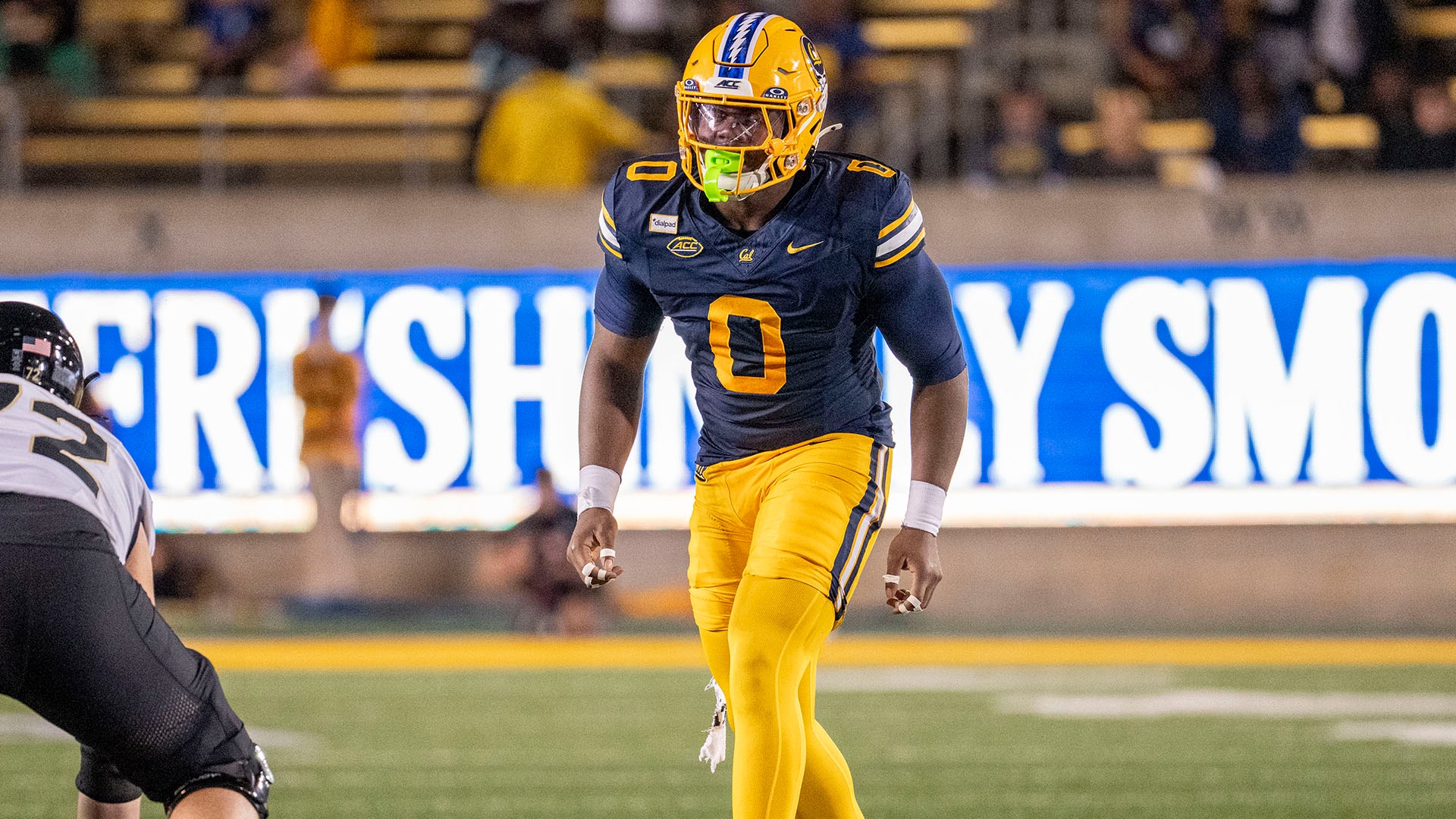
California completed 32 of 47 passes against Wake Forest and gained 191 passing yards. That is just under six yards per completion, not per attempt. The Bears’ 41–7 loss on October 17 was a reminder that catching the ball and advancing an offense are not the same achievement.
Cal held the ball for 32:08 and gained 266 total yards. Wake Forest needed less possession time to gain 509, averaging 8.2 yards per play against the Bears’ 3.9. Possession time did not become control because the two offenses were buying very different amounts of territory with each snap.
Longer possessions still needed a finish
The Bears converted six of sixteen third downs and one of four fourth downs. Both red-zone opportunities ended without points. Those endings matter when evaluating the passing totals: a sequence of completions can still leave an offense needing another difficult conversion before it has produced a score.
Jaron-Keawe Sagapolutele completed fifteen of eighteen passes for 110 yards and a touchdown. Brousseau completed seventeen of twenty-nine for 81. The final line contained no interceptions, and Cal did not lose a fumble. This was not a result that can responsibly be reduced to turnovers handing the game away.
The receiving work needs more field attached
Chase Hendricks caught eight passes for 54 yards and moved beyond 2,000 career receiving yards. Mason Mini caught Cal’s only touchdown, a 28-yard pass with 8:29 left in the fourth quarter. By then Wake Forest had already built a 41–0 lead.
The next correction has to preserve useful completions while increasing what they accomplish. A short catch can be the right answer against a particular defense, but repeatedly needing several more plays creates more chances for a possession to fail before the end zone. At 3–4 overall and 2–2 in the ACC, Cal heads toward SMU needing progress that changes the next down, not simply another completion that leaves the same problem a little farther up the field.
Sources & reporting
- California Athletics: Wake Forest recap, October 17 ↗
- California Athletics: official Wake Forest box score ↗
- California Athletics: Wake Forest postgame notes ↗
This article adds independent analysis to publicly available reporting. We did not conduct the interviews or report the game firsthand. Report a factual error.