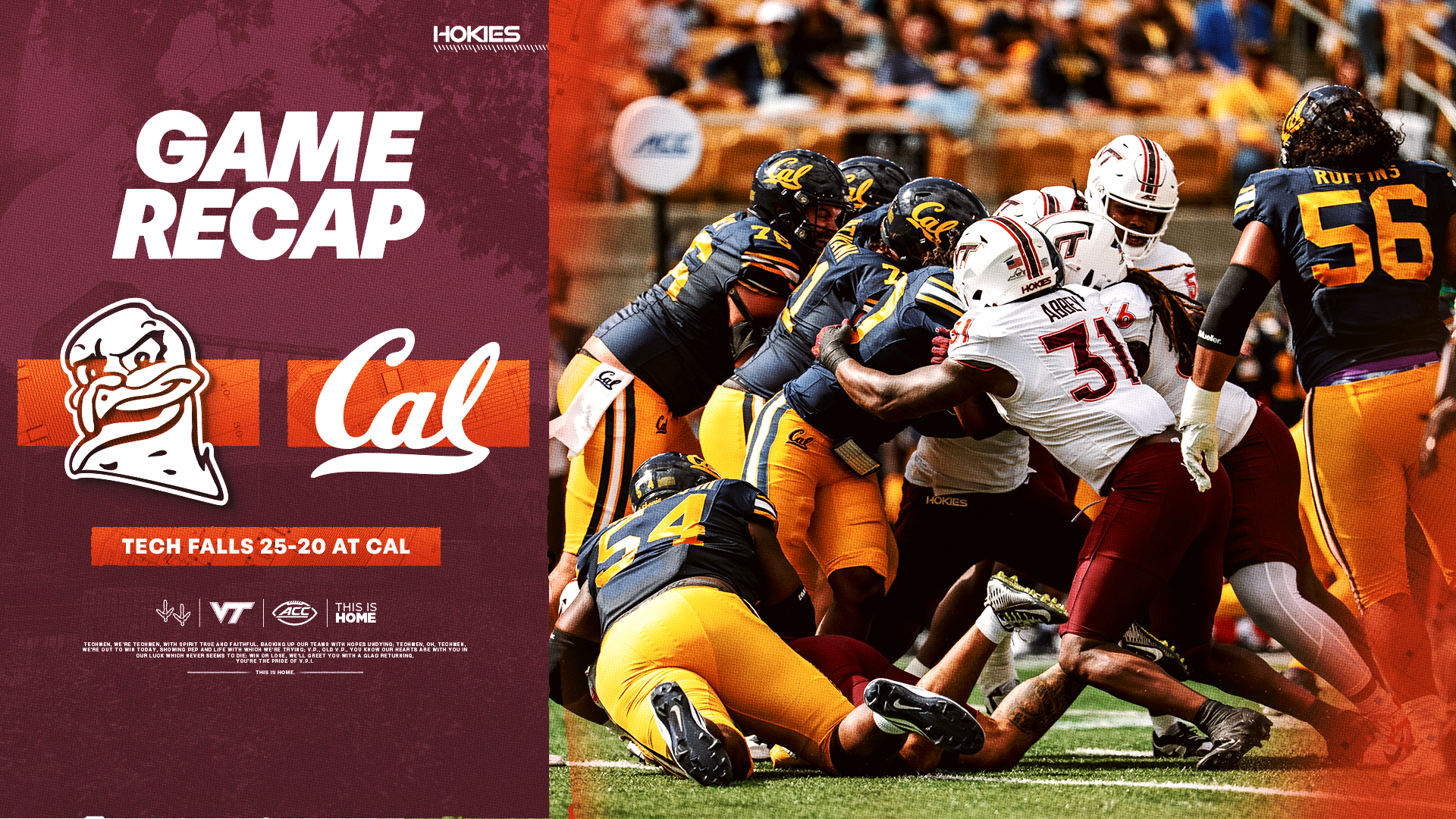
The last minute outweighed the lead
Virginia Tech fell 25–20 to California on October 10 and now stands 4–2 overall and 1–2 in the ACC. The Hokies led 14–10 at halftime and held their final lead until the closing minute. California scored the decisive touchdown with 18 seconds remaining. Virginia Tech’s last pass, from California’s seven-yard line, was broken up.
Ethan Grunkemeyer completed 21 of 31 passes for 288 yards and a touchdown. Georgia Tech visits on October 17 for a 3:30 p.m. Eastern kickoff. The Hokies’ October 12 preview lists their opponents’ third-down conversion rate at 31.2 percent; Georgia Tech’s offense converts 36.2 percent. Those season measures frame the matchup, but cannot fully describe its late-game demands.
A stop must survive the next down
Third-down defense normally offers a straightforward reward: force an offense to fail, then receive the punt or field-goal attempt. A closing possession changes that bargain. A trailing opponent may treat fourth down as another available play rather than a reason to leave the field. Defenders have to account for that expanded sequence without assuming the job ends at the familiar checkpoint.
The California finish therefore deserves its own review rather than a broad verdict that every part of Virginia Tech’s defense is broken. The relevant questions include how the Hokies protected the goal line, handled communication under a short clock, and responded when the offense no longer needed a conventional drive rhythm. Season-long third-down success remains useful evidence. It should not substitute for studying the moments when normal possession rules stop governing the opponent’s choices.
Give the final possession fewer jobs
The offensive side carries a complementary lesson. Grunkemeyer’s yardage shows that Virginia Tech could advance the ball, yet its final opportunity required an immediate touchdown rather than allowing a patient finish. Earlier possessions can reduce that burden by producing enough separation that a late opponent drive does not automatically determine the result.
Georgia Tech’s visit should be judged across both horizons. The Hokies need their regular down-to-down strengths to hold, and they need a closing plan prepared for the score, clock, and available timeouts. Neither requires pretending that one late loss explains an entire season. It requires recognizing that the final minute is a distinct football situation, with different incentives for both sides, and preparing for it as deliberately as the first third down.
Sources & reporting
This article adds independent analysis to publicly available reporting. We did not conduct the interviews or report the game firsthand. Report a factual error.